
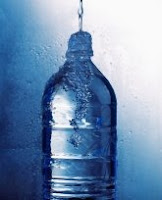
 So, what should you drink when you’re on a fertility diet?
Because 70% of our bodies are made up of water and it’s so good for our health, it’s really important, especially when trying to conceive, that you drink plenty of clean, purified water—I would say, almost exclusively.
I emphasize “purified,” because (very sadly) even bottled spring water can have crap in it (even PCPs!). Yes, it’s alarming, I know. Here’s a quote from a recent article in Science News: “…bottled water has been recalled due to contamination by arsenic, bromate, cleaning compounds, mold and bacteria,” subcommittee chairman Bart Stupak (D-Mich.) noted.
Don’t drink tap water either. Instead, go for bottled water that has gone through a process of “reverse osmosis” or “distillation” to purify it, or make sure you’re using a really good filter over your tap water. Check EPA for guidelines and standards.
The other beverage that is good to consume as much as you want is herbal tea (no caffeine), although make sure the herb in question is not contra-indicated for fertility or pregnancy. (These are usually medicinal herbs like St. John’s Wort and Echinacea, which aren’t typically taken as teas.)
Vegetable juice is also OK. If you’re buying it at the supermarket, though, check labels to make sure there’s nothing else in there. You’d be surprised what gets added in!
Also, stick with organic; you don’t want chemicals and pesticides while trying to conceive. You get less bang for your nutritional buck if you drink vegetable juice from a bottle, even if it’s been flash pasteurized, than if you made it yourself and drank it on the spot (always best), but it won’t cause harm.
What about fruit juice? you ask. Unless you water it down and drink less of it, the answer is No. Why? Because fruit juices tend to have too much concentrated levels of sugar. Better to eat the fruits whole.
So that’s what I would stick to: purified water and herb tea. Drop everything else except for an occasional fresh veggie juice or shot of wheatgrass. (Wheatgrass, by the way, is said to clean the blood and help with cell regeneration. It’s also a good source of chlorophyll and folic acid.)
What about all the other drinks out there? you ask. Drop them! I’ll get into this more in my next blog, but your body doesn’t need alcohol, coffee, caffeine, or any of those artificially-filled, processed beverages that populate supermarket shelves while you’re trying to conceive. Your body needs purity, nourishment and health.

